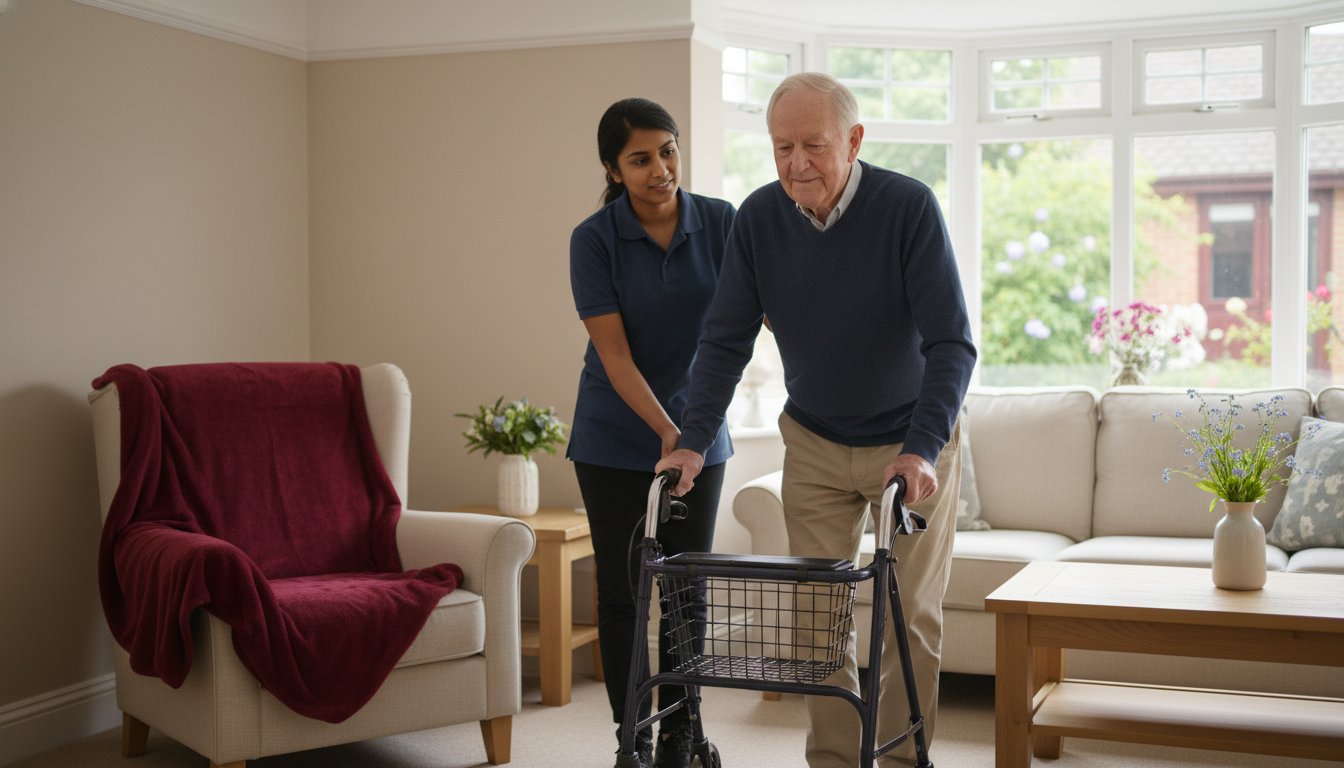
Imagine the quiet anxiety that settles in when the hospital consultant finally mentions discharge. Whilst the relief of returning home is immense, it is often shadowed by the daunting reality of managing complex medication and physical therapy without professional help. You may feel exhausted by the prospect of providing constant care or fear that another health crisis is just around the corner. It is natural to worry about how your loved one will regain their dignity and independence in a house that suddenly feels full of obstacles.
Choosing professional home care for stroke recovery can transform this transition from a source of stress into a period of genuine progress and healing. We understand that a familiar environment is often the best place for a survivor to relearn vital skills and regain confidence. This guide provides a clear roadmap for the discharge process and explains how consistent support can improve mobility and speech. You will discover how to organise a safe home environment whilst ensuring your family has the peace of mind you deserve.
Key Takeaways
- Learn how tailored home care for stroke recovery uses the comfort of familiar surroundings to boost neuroplasticity and speed up the healing process.
- Discover how professional carers assist with prescribed physiotherapy exercises and meal preparation to reduce health risks and improve mobility.
- Understand the advantages of one to one support over residential settings to ensure your loved one maintains their dignity and personal choices.
- Get practical advice on organising a safe home environment and managing the hospital discharge process with confidence.
- Find out how a person centred approach to medication and personal care provides families with the reassurance they need during the rehabilitation journey.
Understanding Home Care for Stroke Recovery
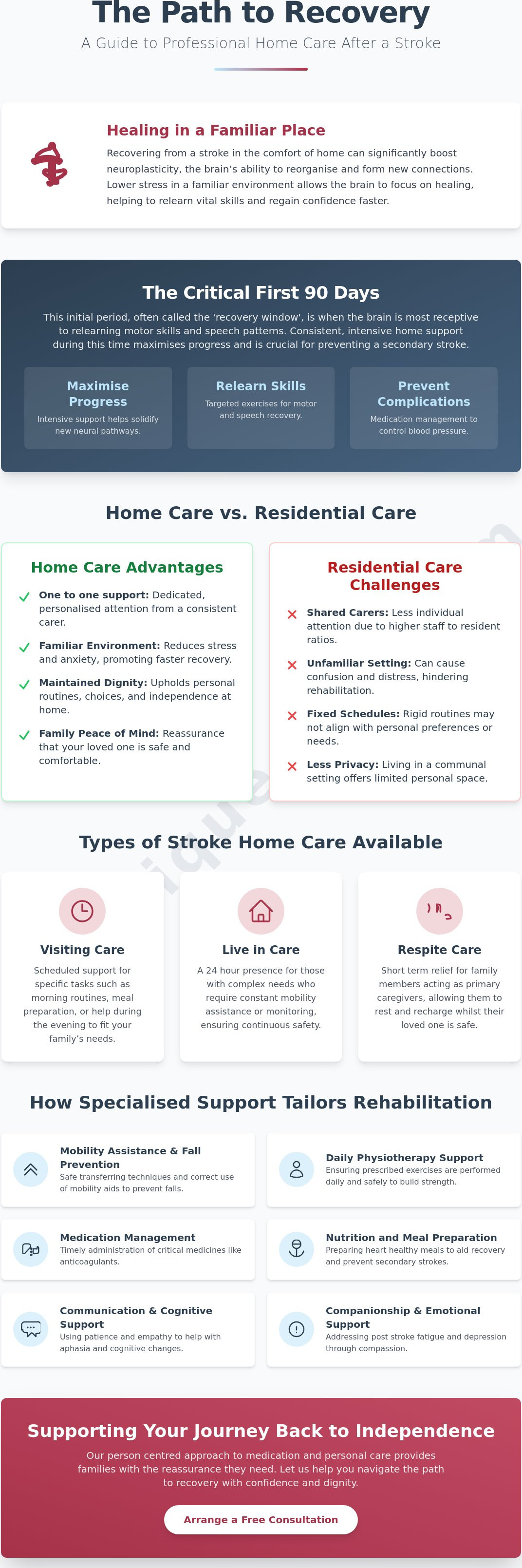
Home care for stroke recovery is a specialised, person centred service designed to help survivors regain their skills in the comfort of their own house. Unlike a general care plan, this support focuses on the unique neurological and physical challenges that follow a stroke. Research into Stroke recovery shows that rehabilitating in a familiar environment can significantly boost neuroplasticity. This is the brain’s ability to reorganise itself by forming new neural connections. When a person is surrounded by their own belongings and family, their stress levels decrease. This allows the brain to focus entirely on healing.
Our role begins the moment a patient leaves the ward. Hospital discharge care is vital for preventing readmission, as many survivors find the first few days at home overwhelming. A successful Hospital to Home transition involves more than just transport. It requires a detailed care plan that coordinates with NHS specialists to ensure exercises are continued safely. We distinguish between clinical medical needs and Activities of Daily Living. Whilst doctors manage the medical side, our carers provide the essential support for tasks like washing, dressing, and mobility assistance. This practical help ensures the survivor remains safe and maintains their dignity throughout the process. Families who want to understand the full scope of available support can benefit from reading our comprehensive guide to hospital discharge support services, which outlines how professional coordination can prevent readmission and ease the transition home.
The Importance of the First 90 Days
The initial months after a stroke are often called the recovery window. This is the period when the brain is most receptive to relearning motor skills and speech patterns. Intensive home support during this time can maximise progress. Consistent medication management is also crucial during these first 90 days. It helps control blood pressure and prevents a secondary stroke from occurring.
Types of Stroke Home Care Available
- Visiting care: This involves scheduled support for specific tasks such as morning routines, meal preparation, or help during the evening.
- Live in care: A 24 hour presence for those with complex needs who require constant mobility assistance or monitoring.
- Respite care: Short term relief for family members who act as primary caregivers, allowing them to rest whilst ensuring their loved one is safe.
Specialised Support: Tailoring Rehabilitation to the Individual
Effective home care for stroke recovery goes beyond simple supervision. It is an active partnership where carers help bridge the gap between clinical therapy sessions and daily life. Whilst an NHS physiotherapist might visit once a week, a dedicated carer ensures that prescribed exercises are performed safely every single day. This consistency is what builds strength and restores confidence. Beyond physical movement, we focus on the invisible challenges such as post stroke fatigue and depression. These emotional hurdles can be just as limiting as physical ones, so providing compassionate companionship—alongside exploring gentle wellness approaches like Livelovelife Chiropractic—is essential for a holistic recovery.
Nutrition plays a vital role in preventing secondary strokes. Our team provides meal preparation and nutrition support to ensure a diet rich in heart healthy nutrients whilst managing salt and sugar intake. We also take full responsibility for medication management. Ensuring that anticoagulants and blood pressure treatments are taken at the correct time is a critical safety measure. For those who need help with these daily routines, our specialised mobility assistance can make a significant difference in maintaining a high quality of life.
Mobility Assistance and Fall Prevention
Safety is our primary concern during the rehabilitation journey. Carers are trained in safe transferring techniques to help survivors move from a bed to a chair without risk of injury. We use mobility aids correctly to prevent falls and help maintain muscle tone through gentle, guided movement. For those with limited mobility, we also prioritise preventing pressure sores by encouraging regular changes in position. You can find more practical advice on Living at Home After Stroke to help prepare your environment.
Communication and Cognitive Support
Aphasia and cognitive changes can be deeply frustrating for survivors. We support patients through specialised communication techniques that require patience and empathy. By establishing a predictable routine, we help reduce the anxiety and confusion that often follows a brain injury. We also encourage cognitive exercises designed to improve memory and concentration, helping the individual regain their sense of self. This person centred approach ensures that every aspect of the recovery process is handled with dignity and care.
Home Care vs. Residential Care: Making the Right Choice
Choosing between home care and a residential facility is a significant decision for any family. Many assume that a nursing home is safer because of the clinical setting. However, home care for stroke recovery offers a dedicated one to one ratio that a residential home simply cannot match. In a care home, staff must divide their attention amongst many residents. At home, the carer is focused entirely on one person. This means they can spot subtle changes in health or mood immediately. Adhering to the Principles of Home Care for Stroke Patients ensures that rehabilitation is both safe and effective within a private residence.
Staying at home is often more cost effective than high quality nursing care, especially when considering the emotional benefits. Survivors can eat at their preferred times and maintain their own daily routines. Being amongst family and pets provides a psychological boost that accelerates recovery. This sense of normalcy is vital for mental health. It allows the individual to feel like a person rather than a patient, which is essential for long term motivation.
When is Live in Care the Better Option?
Live in care is often the best choice for those at high risk of falls or those experiencing overnight confusion, sometimes called sundowning. A consistent carer learns the patient’s subtle cues and habits. This deep understanding allows them to provide 24/7 safety without the upheaval of moving to a new, unfamiliar facility. It provides the highest level of security whilst keeping the survivor in their own bed, surrounded by their own memories.
Maintaining Social Connections and Dignity
Staying at home allows for continued engagement with the local community and friends. There is a profound psychological impact to keeping one’s own space and cherished possessions. Personal care is delivered with total dignity in the privacy of the patient’s own bathroom. This preserves their self esteem during a vulnerable time and ensures that their daily life remains as close to normal as possible.
Practical Steps to Organise Your Home for Post Stroke Safety
Preparing the living space is a critical part of home care for stroke recovery. A home safety assessment should be conducted well before the discharge date to identify potential hazards. The goal is to create an environment that supports independence whilst minimising the risk of falls. Simple changes can make a profound difference to a survivor’s confidence and safety. We recommend starting with the physical layout of the house to ensure every room is accessible and secure.
- Remove all loose rugs and mats that could cause a trip.
- Improve lighting in hallways and stairwells to prevent stumbles.
- Clear pathways by moving furniture that obstructs movement.
- Install non slip flooring in bathrooms and kitchens.
If stairs are a challenge, setting up a recovery hub on the ground floor is a sensible solution. This involves moving a bed and essential supplies to a downstairs room to avoid unnecessary strain. Coordinating with hospital discharge teams ensures that all necessary equipment is delivered and installed before your loved one arrives. If you need assistance with this transition, our hospital discharge support services team can help manage the logistics and coordinate every detail of a safe return home.
Essential Equipment for Stroke Recovery
Specific aids are often required to help with daily tasks. Grab rails in the bathroom and shower seats are essential for personal care safety. Raised toilet seats can also assist those with limited leg strength. Beyond physical aids, technological solutions like personal alarms and automatic medication dispensers provide extra security. It is vital that all safety aids are fitted by a professional to ensure they can support the patient’s weight securely.
For families researching the best options for their home, specialists like Mobility and You offer a wide range of mobility aids and daily living products that can help transform a standard living space into a safe, accessible environment.
Creating a Care Schedule
A structured daily programme helps manage the exhaustion that often follows a brain injury. It is important to balance intensive rehabilitation activities with regular rest periods. Organising visiting times for family and friends ensures the patient does not become overwhelmed by social interaction. Integrating professional care visits into existing household routines helps maintain a sense of normality and keeps everyone organised.
How Angelique Care Ltd Supports Your Journey Back to Independence
Angelique Care Ltd provides a dedicated pathway for those returning home after a stroke. Our person centred approach ensures that every aspect of your rehabilitation is managed with expertise and empathy. We specialise in seamless care transitions from hospital to home, reducing the burden on families during those first critical weeks. By integrating professional home care for stroke recovery into your daily life, we help you focus on regaining your strength whilst we handle the logistics of safety and support.
Our carers at Angelique Care Ltd are highly trained professionals who understand the complexities of mobility assistance and medication management. We believe that recovery is not just about physical health; it is also about emotional well being. This is why we place such a high value on companionship and emotional support for the survivor and their entire family. We are here to ensure that no one feels alone during this challenging time.
Our Commitment to Quality and Dignity
We maintain high standards at Angelique Care Ltd through rigorous recruitment and training for all our healthcare professionals. Every carer is selected for their technical skill and their genuine compassion. We match carers to clients based on personality and clinical needs to ensure a comfortable and trusting relationship. Our team carries a proactive can do attitude, helping clients reach their recovery milestones with confidence and pride.
Taking the Next Step
Starting your journey with Angelique Care Ltd is straightforward. We offer a free care assessment to determine the best package for your unique situation. Our team works alongside NHS district nurses and GPs to provide holistic support that covers every health requirement. This collaborative approach ensures that your medical and personal needs are always met. We invite you to reach out and learn how our dedicated team can provide the expert care your loved one deserves.
Contact us today to discuss a tailored stroke recovery plan and discover how we can support your family through a free consultation.
Reclaim Independence with Tailored Support
Recovering from a stroke is a significant journey that requires both clinical expertise and deep patience. Choosing home care for stroke recovery allows a survivor to heal in the surroundings they love most. This familiar environment is not just about comfort; it is a vital tool for neuroplasticity and regaining confidence. By combining professional support with a safe home layout and a structured routine, you provide the best possible foundation for long term progress.
Angelique Care Ltd is dedicated to being your partner throughout this rehabilitation process. Our qualified healthcare professionals deliver person centred support that respects the dignity of your loved one whilst providing families with essential peace of mind. We take pride in our can do attitude and our specialist knowledge in hospital discharge care. You can book a free care assessment for your loved one’s stroke recovery to start building a clear and supportive plan today. Every victory in recovery is worth celebrating, and with Angelique Care Ltd, you can look forward to a journey of renewed hope and independence.
Frequently Asked Questions
How soon can home care start after a stroke?
Home care can begin as soon as your loved one is ready for hospital discharge. We work closely with the medical team to ensure that the transition to your house is seamless and safe. Our carers are often ready to meet the patient at their door on the day they arrive. This immediate support helps prevent readmission and ensures that the rehabilitation journey starts without any delay or stress for the family.
Can home care providers help with physiotherapy exercises?
Yes, our carers play a vital role in facilitating the physiotherapy exercises prescribed by your NHS or private specialists. Whilst they are not physiotherapists themselves, they provide the daily encouragement and physical assistance needed to complete repetitions safely. This consistent approach is essential for rebuilding muscle strength and improving mobility during home care for stroke recovery. We ensure that every movement is performed according to the clinical plan provided.
Is live in care safer than visiting care for a stroke survivor?
Live in care is often considered safer for survivors with complex clinical needs or those at a high risk of falls. Having a professional presence 24 hours a day ensures that help is always available, especially during the night when confusion or sundowning can increase. Visiting care is a wonderful option for those who are more independent and only require help with specific daily routines or personal care in their own home.
What happens if my loved one’s care needs change as they recover?
Care plans are designed to be flexible and are reviewed regularly to reflect your progress. As a survivor regains their independence, we can reduce the level of support or change the focus of the care. Our goal is always to encourage autonomy whilst providing a safety net. We communicate with family members and healthcare professionals to ensure the plan remains appropriate for your current needs and long term goals.
How do you ensure the safety of a stroke patient who has difficulty swallowing?
We prioritise safety for patients with dysphagia by following the specific dietary guidelines provided by speech and language therapists. Our carers are trained in meal preparation that involves modifying food textures to make swallowing easier. We also provide close supervision during mealtimes to ensure the survivor is positioned correctly and eating safely. This careful monitoring reduces the risk of choking or aspiration whilst maintaining the dignity of the individual.
Do you provide support for the emotional impact of a stroke, such as depression?
Emotional support is a core part of our person centred care. A stroke often brings significant life changes that can lead to feelings of frustration or depression. Our carers provide consistent companionship and listen to the concerns of the survivor. We aim to boost morale by celebrating small victories and helping the individual stay connected to their favourite hobbies and social circles to improve their mental health.
How is the cost of stroke home care calculated in the UK?
The cost is typically determined by the level of support required and whether you choose visiting or live in care. In the UK, you may be eligible for NHS Continuing Healthcare if your needs are primarily health based. Alternatively, local authorities may contribute towards the cost if your savings are below the £23,250 threshold. We can help you navigate these funding options during your initial consultation to find a sustainable solution for your family.
Can you provide care if my loved one has also been diagnosed with dementia?
Yes, we have extensive experience in supporting individuals who are managing both stroke recovery and dementia. Our carers receive specialised training to handle the cognitive and behavioural challenges associated with memory loss. We create a structured and calm environment that minimises confusion whilst focusing on the physical rehabilitation needed after a stroke. This dual expertise ensures a high standard of person centred support for complex needs.